James J. Hill's Net Worth: A Legacy Forged on Rails and Foresight
James J. Hill. The name evokes images of sprawling railroads, burgeoning industries, and immense wealth. But how did this titan of industry amass a fortune estimated at over $1.5 billion in today's money? His story transcends mere railroading; it's a compelling narrative of shrewd business tactics, remarkable foresight, and an unwavering pursuit of success against formidable odds.
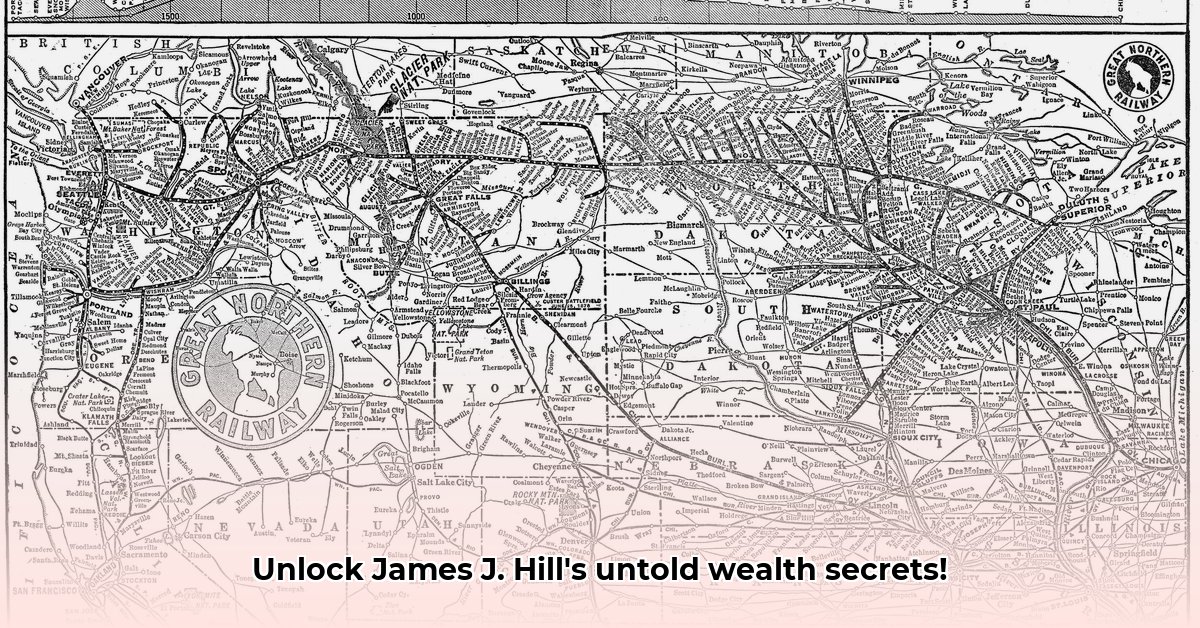
Hill's approach to building the Great Northern Railway was revolutionary. While contemporaries relied heavily on government subsidies, Hill charted a different course. He meticulously planned each aspect, prioritizing efficiency and cost-effectiveness. Instead of buying pre-fabricated components, he meticulously crafted each "brick," ensuring a robust and cost-effective foundation for long-term growth. This meticulous groundwork proved crucial to his later success. How did this approach differ from his competitors, and what advantages did it provide? His detailed planning allowed for significantly lower construction costs and higher operational profits.
But Hill's vision extended far beyond railroads. He understood that diversification was key to true wealth. He strategically invested in timber, mining, and banking, recognizing the synergistic potential among these industries. This wasn't mere hedging; it was creating a self-sustaining ecosystem where the success of one supported the others. This interconnected network ensured stability, even during economic turbulence. Consider this strategic diversification: did it truly mitigate risk, or was it simply a brilliant way to amplify potential gains? His strategy significantly improved profit margins and strengthened his overall financial position.
Furthermore, Hill understood the pivotal role of population growth in economic prosperity. He actively encouraged settlement along his railroad lines, recognizing that a larger population fueled increased demand for transportation, goods, and services, creating a cyclical growth pattern. This wasn’t mere philanthropy; it was brilliant, forward-thinking business strategy. How did this population growth directly translate into increased revenue for the Great Northern Railway? This created a self-fulfilling prophecy, boosting freight and passenger traffic and amplifying overall business revenue and profit.
The Panic of 1893 devastated the American economy, yet Hill's empire remained remarkably stable. His meticulous planning and diversification proved their worth. While competitors struggled, he weathered the storm, emerging stronger. This resilience cemented his reputation as a financial visionary. What specific aspects of his diversification strategy proved most effective during this economic crisis? His careful financial planning and risk mitigation were paramount to his survival during an otherwise catastrophic period for the economy.
By 1916, Hill's net worth was estimated at a staggering $63 million, equivalent to over $1.5 billion today. But his legacy extends beyond financial success. His story teaches invaluable lessons about strategic planning, diversification, and long-term vision.
Key Strategies of James J. Hill's Financial Success
Three Pivotal Points:
- Strategic Route Planning: Hill's meticulous route planning minimized expenses and maximized efficiency, leading to lower construction costs and increased profitability.
- Diversified Investments: Investing in multiple interconnected industries (timber, mining, banking) not only spread risk but also created synergies, boosting overall profitability.
- Population Growth Strategy: Actively promoting settlement along his rail lines stimulated economic activity, increasing demand for transportation and related services.
How James J. Hill’s Diversification Strategies Ensured Long-Term Sustainability
The narrative often portrays Hill as a self-made magnate. While his business acumen was exceptional, a closer examination reveals a more nuanced picture. He leveraged existing government infrastructure and policies to his advantage. Government subsidies and land grants initially allocated to other railroads were skillfully acquired by Hill, providing a significant head start and reducing initial investment risks. This highlights a significant role for opportunistic strategy in his overall success.
Hill's land acquisition strategy was far-sighted. He secured extensive land holdings, not merely for potential profit, but to shape the economic landscape. Strategic development of this land fostered communities and agricultural prosperity, generating a constant stream of freight for his railway. This created a self-sustaining economic ecosystem centered around the Great Northern Railway.
His diversification extended beyond railroads to encompass agricultural development. He actively promoted advanced farming techniques along his railway's routes. This boosted agricultural output, stimulating local economies and increasing freight volume for the Great Northern Railway. It was a mutually beneficial arrangement: more prosperous farmers meant more business for the railroad.
Hill employed aggressive pricing strategies, particularly in the lumber industry. By consistently undercutting competitors, he rapidly gained market share. This willingness to sacrifice short-term gains for long-term dominance secured the Great Northern's position as the leading transporter in the region, demonstrating the power of long-term strategic planning.
While Hill’s skills were undeniable, it’s crucial to acknowledge the role of government support and pre-existing infrastructure in his success. This complicates the traditional "self-made man" narrative, painting a more complete picture of his achievements. Analyzing the interplay between his entrepreneurial talent and the enabling environment provides the fullest understanding of his remarkable legacy.